
How to Start Areca Leaf Plate Manufacturing: A Practical Guide
If you are thinking about starting an areca leaf plate manufacturing business, don’t stop at buying a machine. A successful setup also needs good-quality raw material, the right moulds, proper storage and a clear plan for selling the finished products.
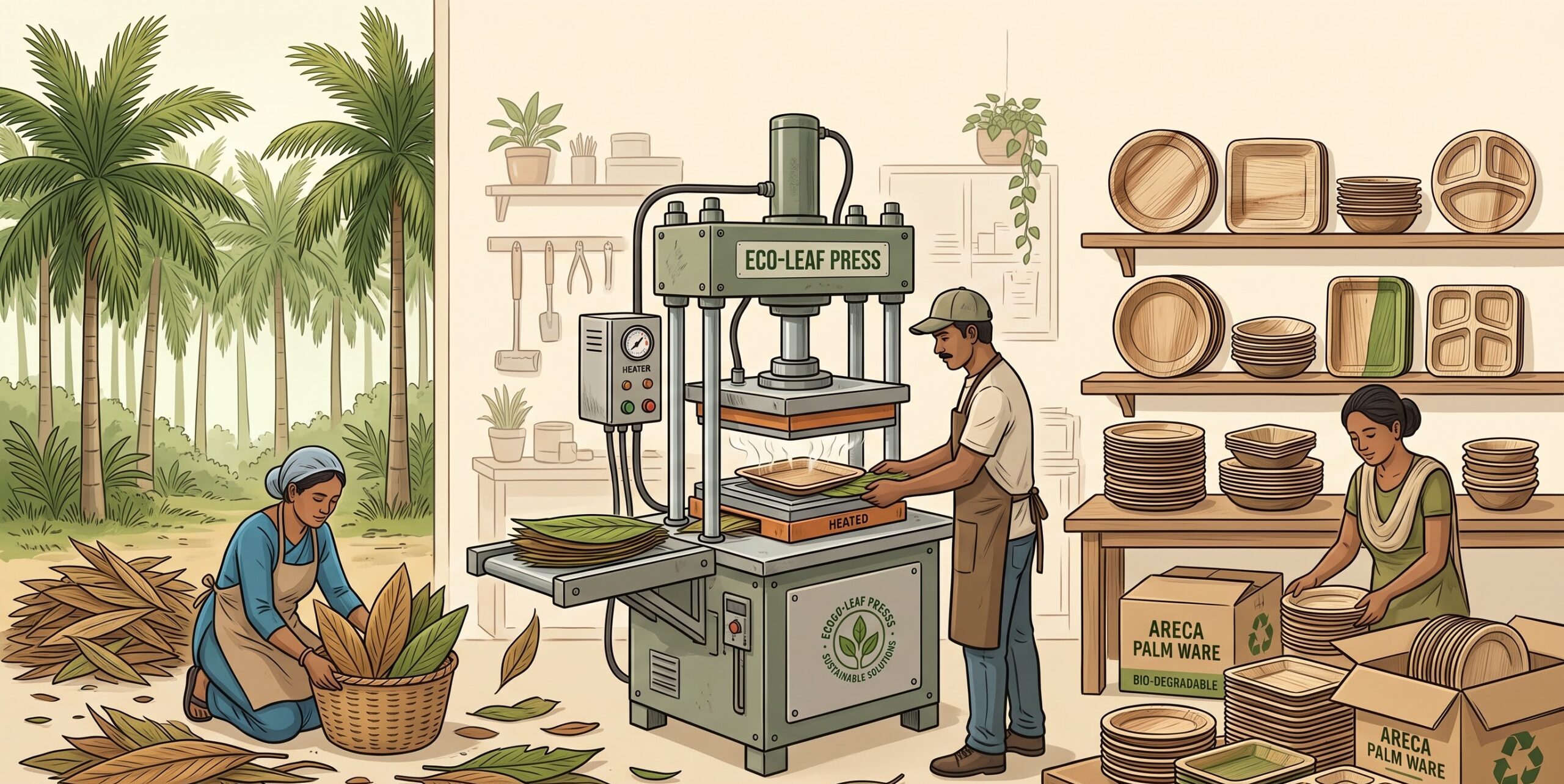
Areca leaf plates come from naturally fallen areca palm leaves. Manufacturers clean and dry the leaves before using heat and pressure to shape them into plates, bowls, trays and other tableware.
You can start with a small setup and add more machines or moulds as your orders increase. However, first understand your raw material, production costs and local market.
1. Understand the Raw Material
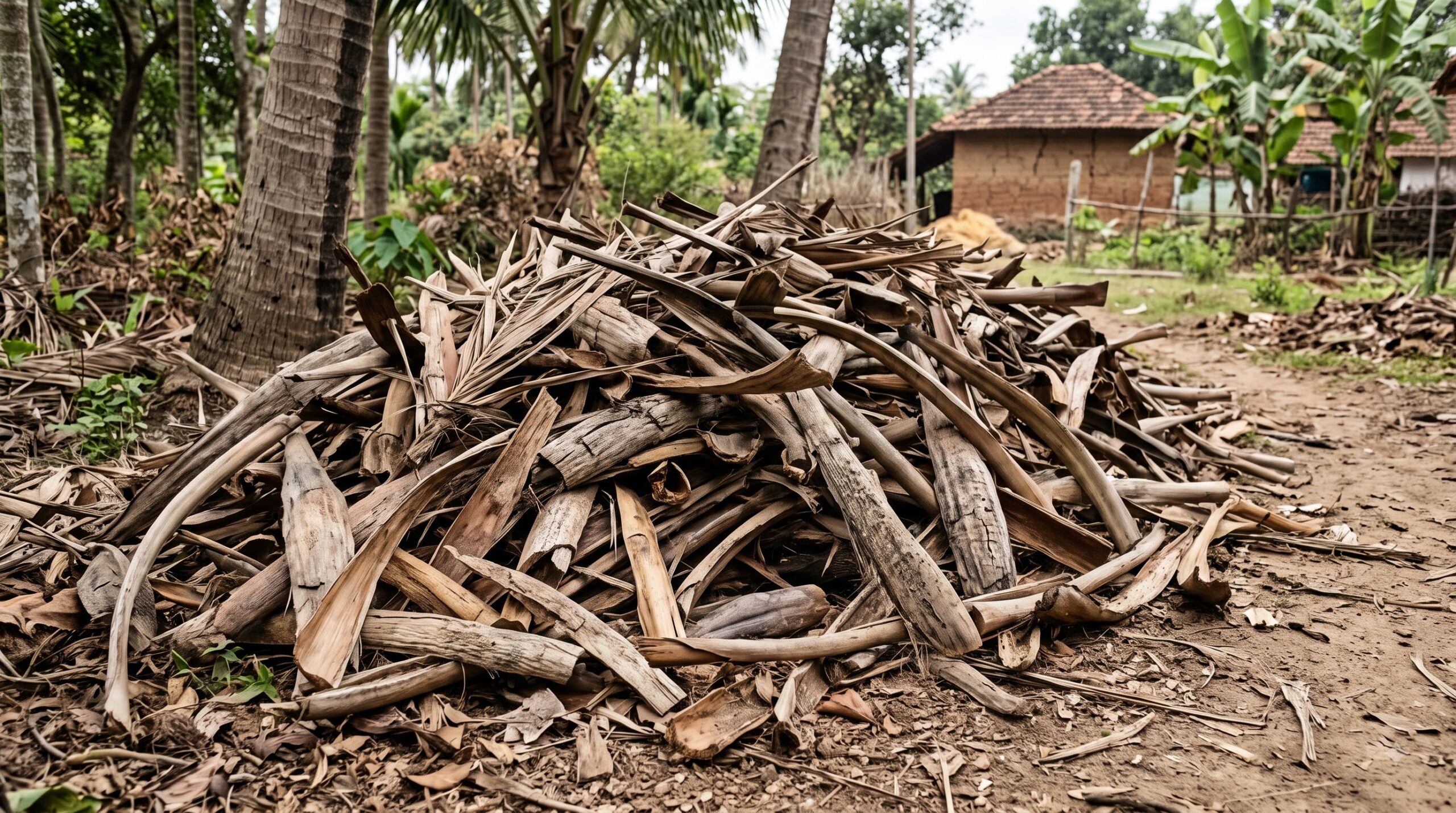
Naturally fallen areca leaf sheaths form the main raw material for this business. Farmers and suppliers collect these leaves after they naturally fall from the areca palm.
Before production, workers clean and dry the leaves properly. Good-quality leaves help you make stronger and better-looking products, while damaged or poorly dried leaves can affect the final result.
Therefore, find a reliable supplier before you start large-scale production. If your unit operates close to an areca-growing area, you may also save on transportation costs.
2. Set Up a Suitable Workspace
You don’t need a huge factory when you start small. Instead, plan your workspace carefully so that workers can move raw material and finished products easily.
Keep separate areas for raw-material storage, cleaning, drying, pressing, finished products and packaging.
Most importantly, keep the storage area clean and dry. Moisture can affect both the leaves and finished plates. Good ventilation will also help when you dry the leaves.
3. Choose the Right Machine
The pressing machine will become one of the most important parts of your manufacturing setup.
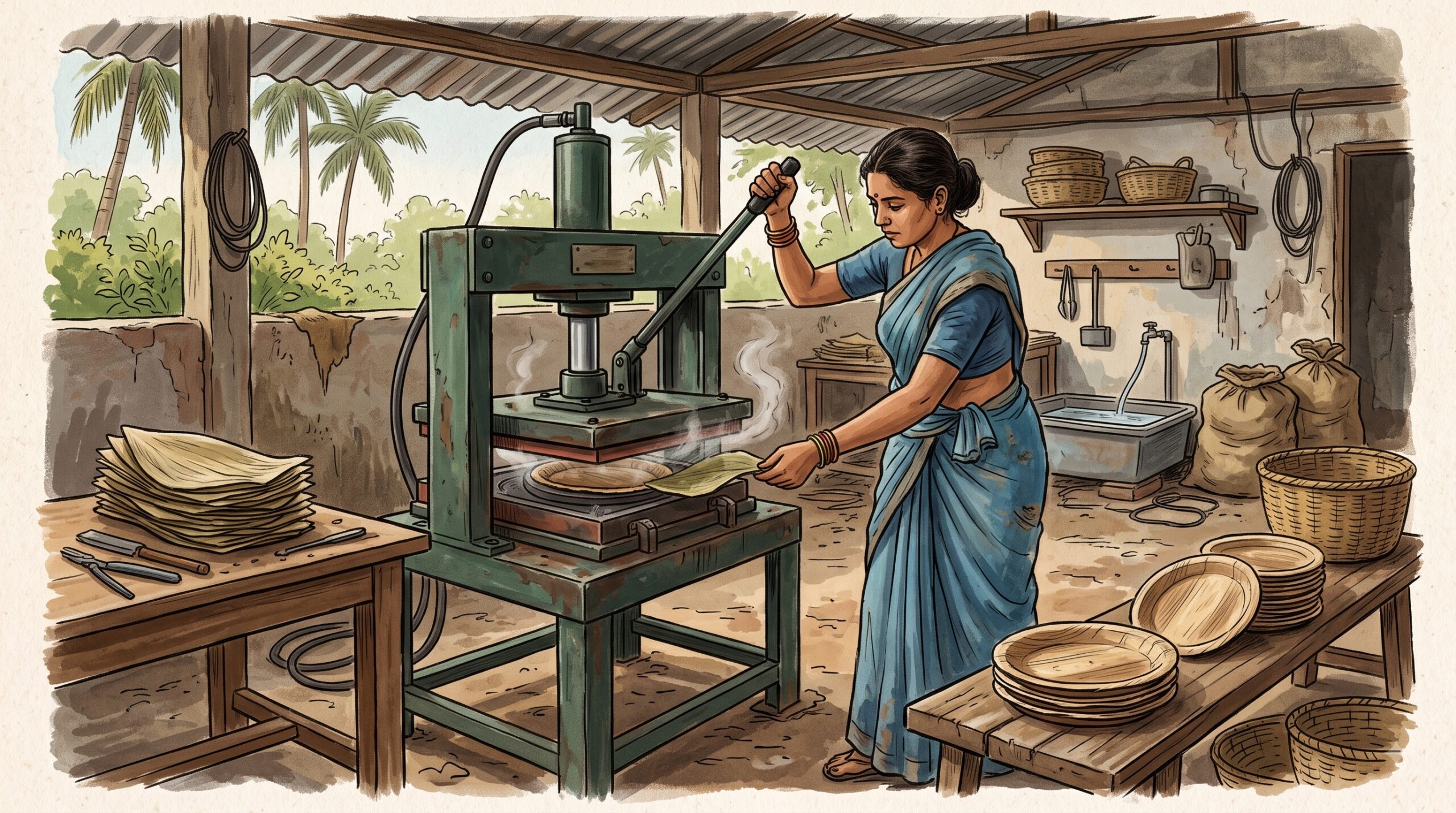
Most manufacturers use hydraulic or heat-press machines with different moulds. Each mould gives the leaf a particular shape and size.
Before you buy a machine, compare more than just the price. Check its production capacity, electricity requirement, mould options, spare-parts availability and after-sales support.
Also, decide which products you want to sell first. This will help you choose the right moulds instead of spending money on moulds you may not use.
4. How Areca Leaf Plates Are Made
The basic process is simple, but each step needs proper attention. A small mistake in cleaning, drying or pressing can affect the quality of the final product.
Step 1: Collect the Leaves
Workers collect naturally fallen areca leaves from farms and other sourcing areas. They then sort the leaves according to size and condition.
Step 2: Clean the Leaves
The leaves need proper cleaning before production. Workers remove dirt, dust and other unwanted material from the surface.
Step 3: Dry the Leaves
After cleaning, workers dry the leaves to reduce excess moisture. Depending on the location and setup, you can use natural sunlight or controlled drying methods.
Step 4: Sort the Dried Leaves
Next, sort the dried leaves according to their size, thickness and quality. Choose suitable pieces for different products.
Step 5: Press the Leaves
Place a prepared leaf inside the selected mould. The machine then applies heat and pressure to give the leaf its required shape.
Step 6: Trim the Edges
After pressing, check the edges and remove excess material where necessary. This gives the product a cleaner finish.
Step 7: Check the Quality
Check every batch for cracks, weak areas, uneven pressing and other defects. Remove damaged pieces before packing the order.
Step 8: Pack the Products
Finally, count and stack the finished products. Pack them carefully so they remain clean and protected during storage and transportation.
5. What Products Can You Manufacture?
You can make much more than standard round plates with the right moulds.
Depending on your machine and customer requirements, your product range can include:
- Round plates
- Square plates
- Compartment plates
- Oval plates
- Heart-shaped plates
- Bowls
- Trays
- Takeaway containers
- Serving plates
However, don’t buy every mould at the beginning. First find out which products local restaurants, caterers and wholesalers actually need. Then expand your range as demand grows.

6. How Much Investment Do You Need?
The investment depends on the size of your manufacturing setup. A small unit will need less equipment and working capital than a larger production facility.
Your main expenses may include:
- Manufacturing machine
- Moulds
- Workspace
- Electricity setup
- Raw material
- Labour
- Cleaning and drying
- Packaging
- Transportation
- Working capital
Before investing, calculate your actual production cost. Include raw material, electricity, labour, packaging, transportation and other regular expenses.
Then compare your total cost with the price customers are willing to pay. This simple calculation can help you decide whether a product makes business sense.
7. How to find areca plate buyers ? Just as Important as Manufacturing
A machine can produce plates, but customers keep the business running.
So, start talking to potential buyers before you increase production. Visit local restaurants, caterers, hotels, wholesalers and disposable-product distributors. Show them samples and ask about the sizes and quantities they normally purchase.
You can also approach retailers and eco-friendly product stores.
For bulk buyers, consistent quality, competitive pricing and reliable supply often matter more than fancy marketing. Build good relationships with your customers so they have a reason to order from you again.
8. Don’t Ignore Packaging
Good packaging protects your products during storage and transportation.
Keep finished plates in a clean, dry place and protect them from moisture. For bulk orders, use suitable cartons and stack the products carefully to reduce breakage.
If you sell under your own brand, consistent packaging can also help customers recognise your products and place repeat orders.
9. Start Small and Learn the Market
One of the biggest mistakes a new manufacturer can make is investing heavily before understanding the market.
If you are completely new to this business, start with a manageable product range.
Talk to local caterers, restaurants, wholesalers and distributors. Ask them which sizes they regularly purchase, how much they usually order and what price range they expect.
This information can help you decide which moulds and machines actually make sense for your business.
Once you start receiving regular orders, you can add more products and increase your production capacity.
The manufacturing process may look simple, but maintaining the same quality every day is what makes a business reliable.
10. What Makes an Areca Manufacturing Business Successful?
Several things can make a difference to your business.
Good raw material: Start with clean, suitable leaves so you can maintain product quality.
Consistent production: Keep the size, shape and finish of your products consistent from one order to the next.
Controlled costs: Track your raw material, electricity, labour, packaging and transportation costs.
Reliable customers: Build relationships with buyers who can give you regular orders.
Proper storage: Store both raw leaves and finished products in suitable conditions.
Good packaging: Pack products carefully so they reach customers without unnecessary damage.
Understanding the market: Focus on products that customers actually want instead of producing too many different designs.
Final Thoughts
Starting an areca leaf plate manufacturing business can be a practical option if you have access to good-quality raw material and a clear market for your products.
But the machine is only one part of the business.
You also need to think about raw-material sourcing, production costs, product quality, storage, packaging and, most importantly, customers.
If you are planning to start, don’t rush into buying a large setup. First understand your local market, speak to potential buyers and work out your numbers.
Start with a few products, focus on consistent quality and increase your production as your orders grow.
Natural tableware is becoming a practical choice for many food businesses, and areca leaf products offer manufacturers an opportunity to build a business around a naturally sourced material.
Explore AreKonkan
At AreKonkan, we focus on natural areca leaf tableware made for everyday serving, catering, restaurants, events and businesses looking for natural alternatives to conventional disposable tableware.
Explore our range of areca leaf plates, bowls, trays and other products to find the right option for your requirements.
Choose Natural. Choose Areca. Choose AreKonkan.
Frequently Asked Questions
Is areca leaf plate manufacturing profitable?
The profitability depends on your production cost, machine capacity, raw-material cost, selling price, wastage, labour, transportation and the type of customers you serve. It is important to calculate these costs before starting.
What raw material is used for areca leaf plates?
Areca leaf plates are made from naturally fallen areca palm leaf sheaths. The leaves are cleaned, dried and pressed into different shapes.
What machine is used to make areca leaf plates?
Hydraulic or heat-press machines with suitable moulds are commonly used to shape areca leaf sheaths into plates, bowls, trays and other products.
What products can be made from areca leaves?
Manufacturers can make round plates, square plates, compartment plates, oval plates, bowls, trays, takeaway containers and other shapes depending on the available moulds.
Who can buy areca leaf products?
Restaurants, caterers, hotels, event organisers, wholesalers, distributors, retailers and other food businesses can be potential customers.
Should I start with many different products?
It is generally better to understand your market first and start with products that have actual demand. You can add more sizes and shapes as your customer base grows.